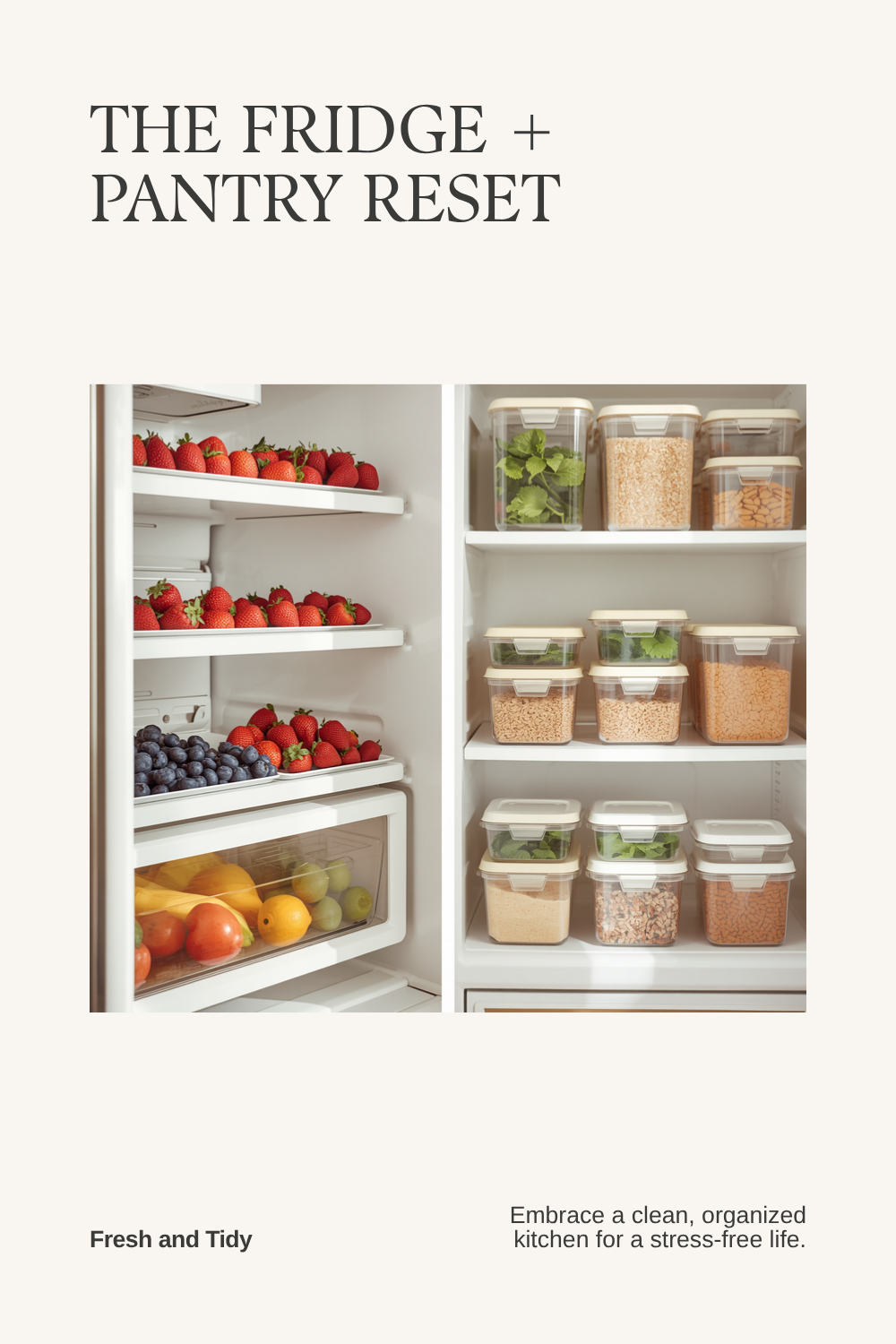
my fridge used to be a place food went to be forgotten. i'd buy strawberries, lose them behind a takeout box, and rediscover them as a science experiment a week later. i've done the big cleanout a hundred times — the reason it never stuck is that i was reorganizing the mess instead of changing the system. the fix turned out to be embarrassingly simple: if you can see it, you use it.
so the reset is really one rule split across two zones — the fridge and the pantry — with clear, stackable containers doing the heavy lifting. in the fridge i use the rubbermaid brilliance set, and here's exactly why they earn the shelf space:
affiliate link
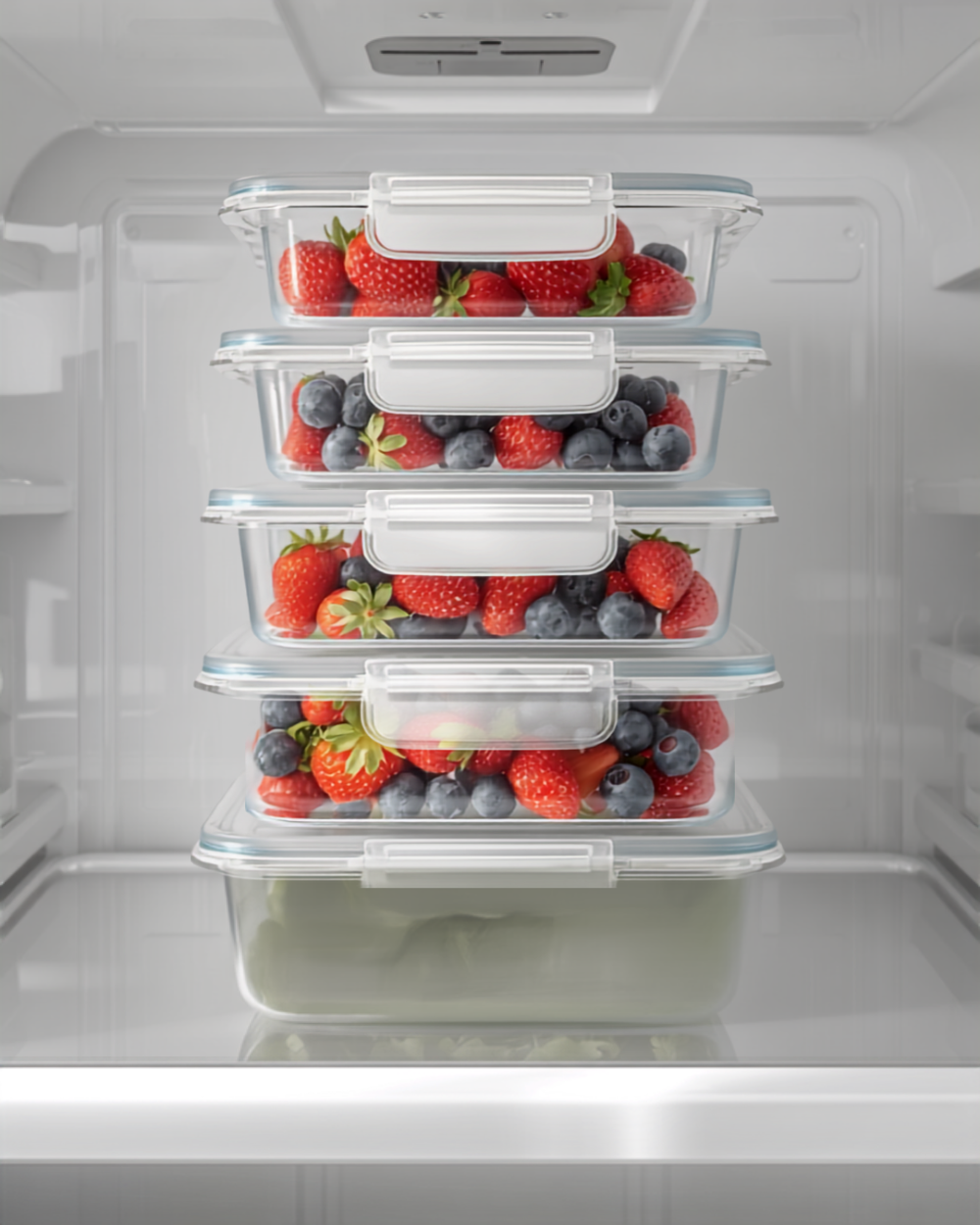
- crystal-clear tritan you can actually see through, so leftovers get eaten instead of rediscovered fuzzy
- latching lids with built-in vents — leakproof enough to lay a soup on its side, and you crack the vent to microwave without pulling the whole lid off
- they stack flat and nest inside each other when empty, so the set doesn't take over a cabinet
- fourteen pieces across sizes — enough range to reset a real fridge, from a berry pint to a full dinner's leftovers
zone one: the fridge
pull everything out, wipe the shelves, and toss what's past it. then group like with like before anything goes back — a produce zone, a leftovers zone, a grab-and-go zone for the stuff you want to actually reach for. decant berries and cut fruit into the clear containers at eye level. the trick that makes it stick: leftovers go in clear, never foil. foil is where food goes to be forgotten; clear is a little reminder every time you open the door.
zone two: the pantry
the pantry has the opposite problem — it's deep, and the back is a graveyard of half-bags. the move is bins with handles you can pull out like a drawer, so the back stops being a mystery. i keep one for snacks, one for baking, one for pasta-and-grains. for the semester-busy version of me, a labeled snack bin i can grab from without excavating is the difference between eating the thing i bought and buying it again.
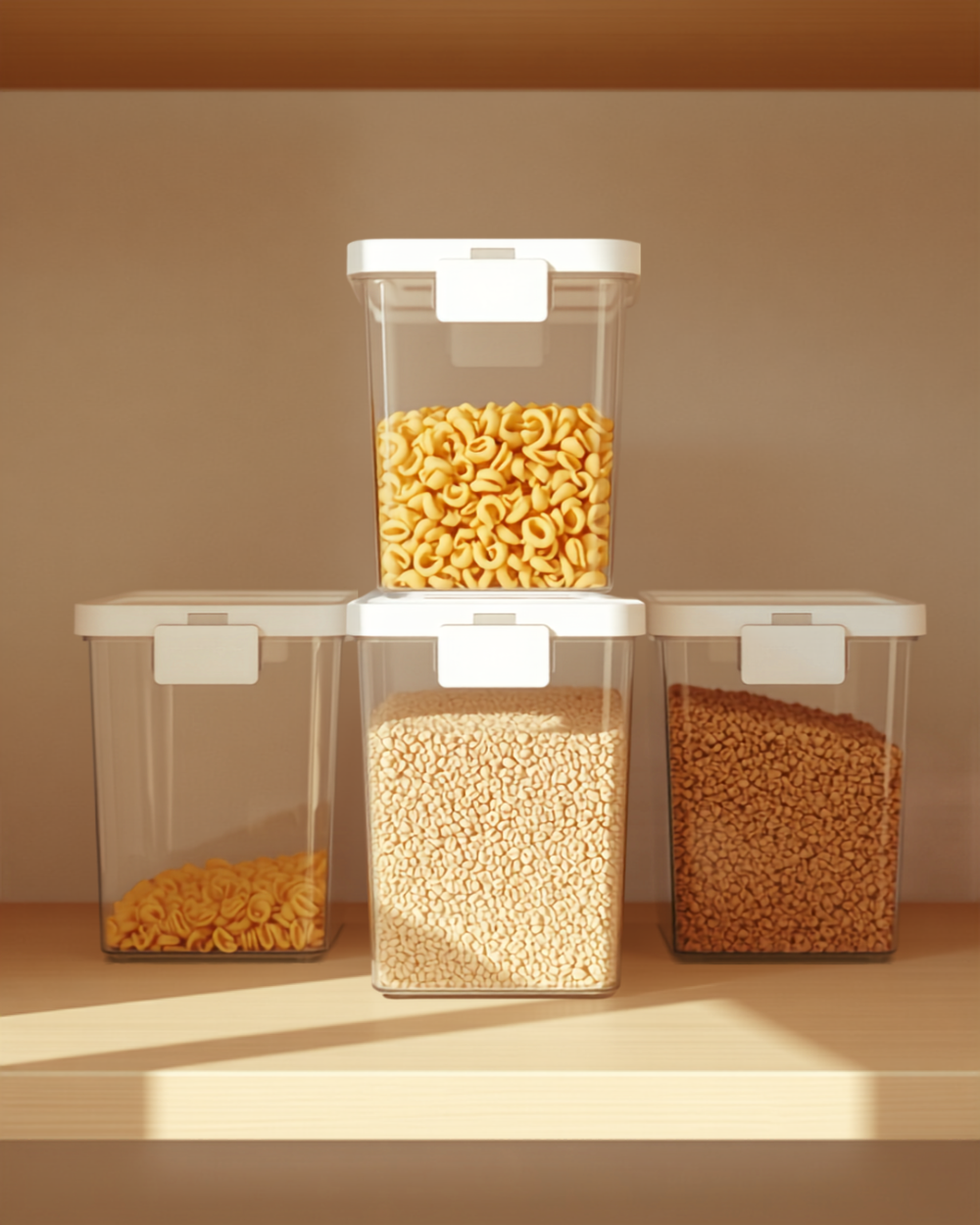
- clear bins with a front pull-handle, so you pull the whole thing out like a drawer instead of unloading the shelf to reach the back
- they stack securely, which turns dead vertical space into real storage
- the clear plastic means you restock by looking, not by digging
- they're not pantry-only — the same bins work in the fridge, a cabinet, or under the sink, so one idea fixes three problem spots
the rules that make it stick
- clear over opaque, always. the entire system works because you can see what you have. an opaque bin is just a smaller, tidier place to lose things.
- give every category a home. "where does this go" is the question that unravels a reset. decide once.
- front-to-back by date. newest to the back, oldest to the front, so you eat things in order instead of in archaeology layers.
honest pros and cons
pros: it genuinely cuts food waste, the clear containers make a fridge look calm and a pantry look intentional, and the rubbermaid lids actually seal (i've laid a full one flat in a bag with no leak). cons: decanting takes an afternoon the first time, so block it out; the brilliance lids are worth hand-washing to keep the seals happy long-term; and buying enough containers to reset everything runs into the high-$20s per set, so watch for a sale and build it up over a couple of weeks instead of all at once.
this is the kitchen half of my whole back-to-school reset, and it pairs stupidly well with a batch of my chicken rice bowls — prep once, portion into the clear containers, and lunch for the week is just... there.